Showing posts with label hope. Show all posts

Monday, August 22, 2022

The Importance of Good News

Annamaria on Monday

It's August.  It's been boiling hot.  But, for lucky me, these times have been also replete with lovely opportunities to spend time with friends, to enjoy outdoor theater, and to drive back roads through green places.  Mellow is the lovely word that describes my past few weeks. 

I want to hang on to that.  My blog today speaks to that end.

In the past few days, while keeping more or less minimal track of the news, I heard a piece by a journalist that I want to share with you.

His name is David Bornstein and he is the Founder of The Solutions Journalism Network.  Here is what he had to say on this past weeks' aptly named "Brief But Spectacular" episode on PBS News.  What he offers is a clear, compelling rationale for why journalists should cover, not only the horrors of life, but also efforts that people are making that solve problems.  Please take the next less than four minutes needed to hear what he has to say:


You can learn more about his organization here.

And here:


The steps he suggests are not pie in the sky.  Helping people learn about improvements and solutions will make the difference between HOPE and HOPELESSNESS, to my way of thinking, ALL THE DIFFERENCE IN THE WORLD.

Thursday, December 24, 2020

A spectator to it all

 Stanley - Christmas eve of the terrible 2020

I wish all the readers of this blog and my fellow bloggers a very placid and peaceful end to a year that none of us will forget.

The holiday season has brought into sharp focus something that has been on my mind for a number of months - namely the huge number of people who have died from the COVID virus over the past nine months. It is not the sheer magnitude of the number of deaths that I have been thinking of (1,738,013 worldwide as of writing this), although that number is shocking, it is how detached I feel from it all.

I have been zealous in following guidance to keep safe, including five months of solitary lockdown as well as very few in-person meetings, indoors or outdoors. I have, of course, Zoomed with friends around the world, but nowhere have I had to confront the reality of someone I know dying because of the virus. It is as though I am in a bubble looking out at a chaotic world where people are succumbing at a horrific rate.

I read the statistics and look at photographs of cemeteries with hundreds of newly-dug graves; I watch news clips of overwhelmed intensive-care units with refrigerated trucks outside to hold the corpses that undertakers can't immediately handle; I am blown away by the courage and dedication of healthcare workers and others, many of whom die while serving.

Cemetery in Manaus, Brazil

Emergency room

What it takes to keep someone alive

All this is happening around me. 79,070,049 cases of COVID-19 as of today. 1,738,013 deaths. Millions of families in mourning; millions facing eviction; even more millions out of work, facing hunger, not knowing what the future holds.

Loss

Grieving


Lined up at a Texas food bank


Lined up at another Texas food bank

All this is happening while I enjoy good fortune. I'm safe, well-fed, financially secure, and healthy. 

However, my mind keeps returning to the sadness and despair so many must be feeling this holiday season; to the sense of abandonment so many must be gripped by. I know it is happening, but I feel apart from it - a spectator. 

I can only hope that in the gloom of the waning of 2020, those who are suffering will find some solace, some happiness. And that the vaccine and time will bring some normality to 2021.


Wednesday, May 6, 2020

Sustainable Hope

Sujata Massey


On a recent day that I was missing fresh greens,  I walked into the garden. It was long before I'd planted my first seeds for lettuce. Not much was there. And yet...

I appraised the dandelions. Their gay golden faces are dotted all over the lawn and garden beds. I needed to weed anyway, and as I got down on my knees, I saw how beautiful and crisp and long many of the leafy plants were. They were absolutely fit for a "spring mix." As I dug up a few clusters of dandelions, I saw more and more that I wanted.  I could have a series of salads. I hesitated, wondering if I was depleting my garden of food I might need later.

After I had taken many handfuls of crisp greens, I washed them in a deep bowl, rinsing them over and over until the water ran clear. I dried the greens in a towel and then and mixed them with hearts of palm, red onion slices, a bit of orange, and a little bit of leftover fennel. With a little oil and vinegar and honey, it was a delicious salad.

I have butter lettuce and romaine now, thanks to a couple of businesses that have their own delivery truck service. When I make an order, I get things for my neighbors, too. I am making my own bread and biscuits. I feel like no matter what, I can feed myself.

I was so glad for the dandelions the day I needed to eat them. They're still popping up here and there, and I doubt they'll ever be eradicated. I'm also taking wild chives from the lawn, and feeling grateful for their snap. It reminds me of the stories from elderly Japanese people who recalled eating grass during the war years, when there was no rice and not much of anything else.


I was placing a blueberry bush into the garden today. Turning to get some compost, I noticed a large black bird with a tangerine-colored body was staring at me.  Could this be a Baltimore Oriole, a bird that represents our city and sports team, but that has eluded my gaze in the decades that I've lived here?

The oriole was sitting on the branch of the lilac that I've considered removing because it grew horizontally rather than upward. Now I realize the handicapped lilac make the perfect perch for this bird to watch over the garden. Did he realize the awkward human was planting something that would make exquisite dining for him in the next months?

The makeshift becomes magical sometimes. And as daunting as the next months are supposed to be, I will keep hope in my heart.


Wednesday, December 7, 2016

Sparks of Hope

Sujata Massey


 Speaking to supporters for his presidential in Iowa in 2008, Barack Obama said: "Hope is not blind optimism. It's not ignoring the enormity of the task ahead, or the roadblocks that stand in our path. It's not sitting on the sidelines or shoring from the fight. Hope is that thing inside us that insists, despite all evidence to the contrary, that something better awaits us if we have the courage to reach for it, and to work for it, and to fight for it."

30 days after our election, I can see a number of things that give me hope.

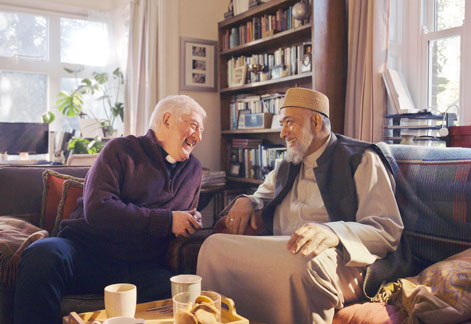
First is 'Old Friends,' an Amazon Prime commercial that began running in the UK, Germany and the US last week to mark the holiday season. The advertisement features an Episcopal priest and a Muslim cleric in Britain who are faith leaders, rather than actors. This fact probably explains how beautiful the men's connection is. I could watch this ad time and again and still tear up. Jeff Bezos, who owns Amazon, made a powerful, quiet statement of hope to all. This commercial may be the first ever to feature a Muslim cleric. The risks taken by running 'Old Friends' closes the deal for me regarding Amazon. I am happy to shop from Amazon--just as I'm really pleased Bezos has owned and expanded the subscriber base of the Washington Post. 


Teamwork and forgiveness have also turned around the dire situation at the Standing Rock Reservation. To summarize a very complicated situation, the US government was planning to run part of the Dakota Access Pipeline for natural gas through a burial ground on a Sioux reservation in North Dakota. Hundreds of Indians and their friends stayed present at Standing Rock in bitter cold to keep the digging from beginning. They were abused by the police. Some military veterans pledged to come to the reservation to protect the protestors from the police, and but a serious confrontation was averted. Last Sunday night, the Army Corps of Engineers announced it will not approve an easement allowing the DAP to run through the reservation. The leader of the Sioux community was asking protestors to return home with the hope that the situation will continue toward peaceful resolution. A moving forgiveness ceremony in which military veterans acknowledged their past role in oppressing Indians and taking land took place this past Monday, with Chief Leonard Crow Dog telling Wesley Clark Jr., "We do not own the land. The land owns us."

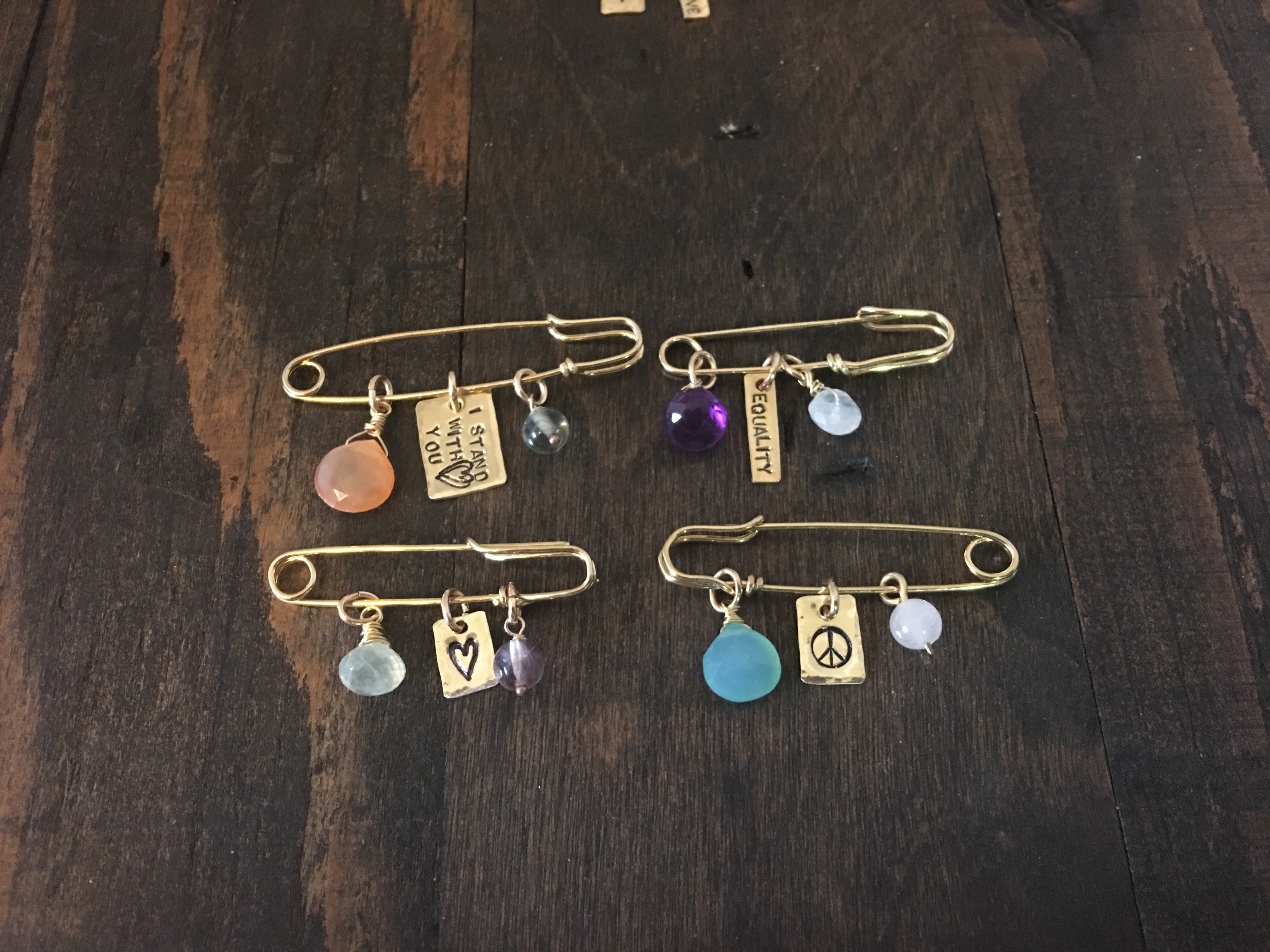
tru2u design on Etsy is giving 25% of profits to Amnesty International

Without a word, but a sign, people can show solidarity. The Safety Pin Solidarity Movement began a few months ago, following the U.K's vote to leave the European Union. Since then, violent acts against immigrants and people of color have risen. British people spread the tradition of wearing safety pins on their coats or sweaters to publicly signify that they are "safe" people who will support anyone being marginalized. I loved the idea, and to make my symbol stand out, I bought my own colorful safety pins on Amazon Prime (of course, given the 'Old Friends' commerical.) However, artistic safety pin jewelry is popping up everywhere, including in wonderful jewelry form from Etsy artists such as  tru2u jewelry, sometimes with some portion of proceeds going to a human rights organization.


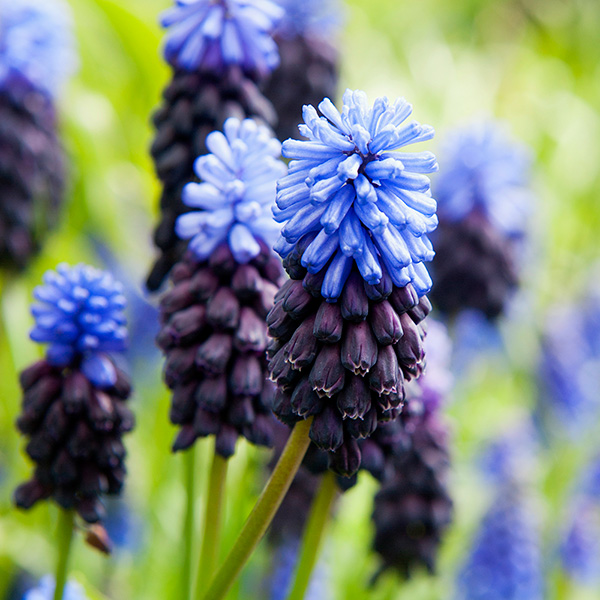
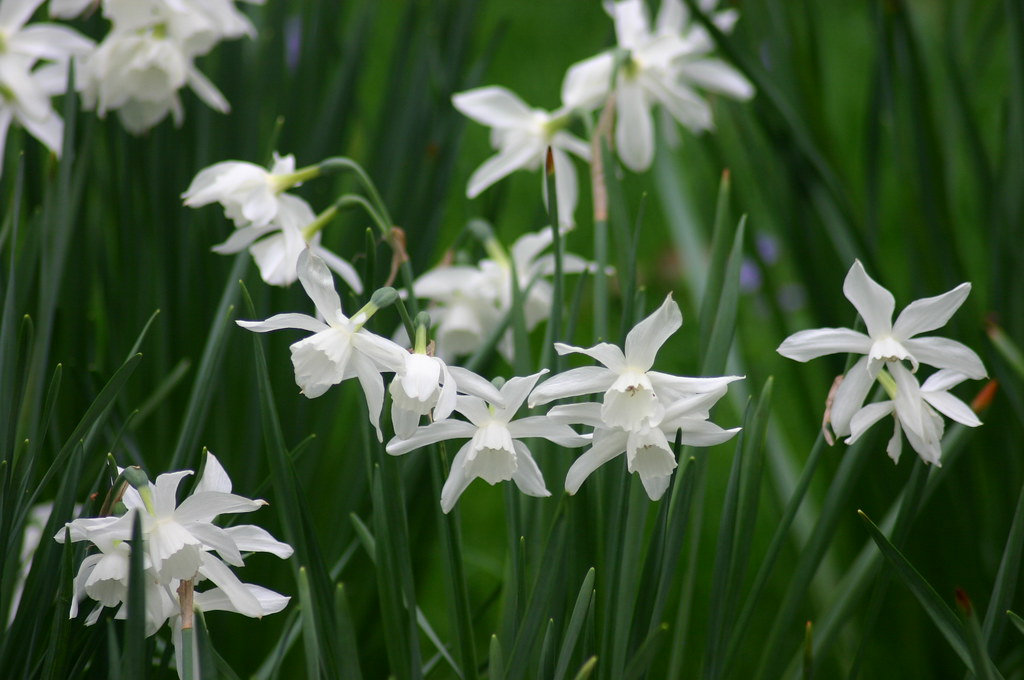
The last thing bringing me hope is the sun. Autumn really has not ended in Maryland. The weather is warm,  the crimson maples are holding their leaves, and the earth is still soft enough for planting. So I finally got down to business. I never get around to planting bulbs in the fall, but since Thanksgiving, I've planted 100 daffodils, 100 Narcissus Thalia, and 100  muscari latifolium. No matter what happens this winter, I'm sure I'll see some flowers in the spring. The cycle of nature is the strongest proof that hope has a reward.


Sunday, November 27, 2016

A Visit to Koya's Sacred Fire

-- Susan, every other Sunday.

In the film The Dark Knight, Batman's butler, Alfred (played by Michael Caine) says that some men's actions cannot be understood by reference to logical motivations.

"...some men aren't looking for anything logical, like money," Alfred says, "...Some men just want to watch the world burn."

These days, too much of the world seems poised to burn, and far too many people seem inclined to light the torch and fan the flames.

Today, however, we're going to light a different kind of fire.

The sacred fire of a Shingon Buddhist goma.


The goma, or fire ceremony, is practiced by the Shingon Buddhist priests as part of their regular morning observances. Some temples perform the goma daily; at other temples, observance is less frequent but no less a vital part of Shingon practice.

While visiting Mount Koya (the heart of Koyasan Shingon, one of approximately 18 Shingon denominations, or sects, worldwide) I had the chance to spend the night at two Shingon temples, Kumagaiji and Ekoin, and to observe the fire ceremony at each temple.

The front gate of Kumagaiji

Although I normally refrain from photographing sacred rituals and spaces, the priests at Kumagaiji (and Ekoin) invited us to photograph, record, and share our experiences.

The goma is unique to Esoteric Buddhism, and involves the lighting of a sacred fire which represents the wisdom of the Buddha and is intended to cleanse (by burning) the root of peoples' suffering, enabling them to thereafter release themselves and their concerns to the Buddha's teachings.

Before the ceremony, worshippers write their prayers and wishes on wooden sticks, which will later be used to feed the sacred flames.

The wooden sticks (center right) upon which we wrote our prayers.


Both Kumagaiji and Ekoin performed the goma immediately after the morning prayer service. The morning service was conducted in the temple's hondo, or worship hall. When the service concluded, we walked from the hondo to a nearby, smaller temple building used specifically for the goma.

The goma temple at Kumagaiji


Inside, we removed our shoes and climbed to a platform where visitors sit to watch and participate in the goma.

A raised area at the center of the platform provided a place for the priest conducting the ceremony to sit and also held the bowl and other ritual implements used for the sacred fire.

The priest tending the sacred fire during the goma.


Behind them, an altar held images of the Buddha, including Fudō Myōō, sometimes also known as the Buddha of Compassionate Fire. (Fudō, the Immoveable One, is an important deity in the Shingon pantheon - and you'll be hearing more about him from me in future posts.)

Fudō Myōō, the Immoveable One


During the ritual itself, a priest prepares and lights the sacred fire, which rises several feet above the bowl as it cleanses and consumes the sticks (and prayers), transforming them into smoke.

The goma in progress. On the right, a priest plays the taikō.


A second priest beats a taiko (drum) and both priests chant specific prayers throughout the fire ceremony, invoking the Buddha's compassion and praying on behalf of the participants, their ancestors, and others on whose behalf the ceremony is conducted.

As the flames begin to die, the priest fans the sacred fire with a book of sutras.

Fanning the flames with sutras.


According to Shingon Buddhist belief, the act of burning the sticks does not, of itself, guarantee that the prayers will be answered or that individuals will cease to suffer. Shingon teachings also require individuals to seek and accept the Buddha's help and protection.

Fudō and other wisdom kings at the entrance to Kumagaiji.


Although I am not a Buddhist, I found the ceremony compelling and moving, and emerged from it touched by both the prayers and the cleansing qualities of the sacred fire.


Some people may want to watch the world burn with negativity, but I dearly hope that we -- as individuals and as a nation -- survive the flames and create a world cleansed of suffering, in which people strive to understand, respect, and love one another as individuals, celebrating our differences instead of reviling those who do not share our experiences and our views.

In fact, that was my goma prayer.