Showing posts with label cherry blossoms. Show all posts

Sunday, April 9, 2023

Cherry Blossoms and Castle Keeps - Springtime in Japan

 -- Susan, every other Sunday


Two weeks ago, some friends from the United States and I took a trip to Kyushu--Japan's southernmost major island--to visit some famous sites and enjoy some tasty regional food. As it happened, we also caught Kyushu's sakura (cherry blossoms) at the peak of their very short bloom, which turned an already-fantastic trip into something truly special.

Sakura are loved in Japan, not only as a sign of spring's return but also because their delicacy and very short lives remind us of the short, bittersweet nature of all beauty, and of life itself. 

That message takes on another level of depth when the sakura you're enjoying are blooming around the seven "hells" of Beppu (a set of seven natural volcanic springs, each with very unique characteristics) and the magnificent castles and gardens where samurai once walked. 

Sakura near Umi Jigoku (the Ocean Hell)


I've written about Beppu's famous hells before, but since my previous visit was in winter, I had no idea that beautiful blossoms were lurking behind the steam. 

Sakura at Umi Jigoku

After visiting five of the seven famous hells - all but one of which had sakura blooming in the surrounding trees, one of my friends said, "You know, hell suddenly doesn't seem all that scary anymore." (Particularly apt, seeing as this post goes up on Easter Sunday...)

The bubbling clay pools at Oniishibozu Jigoku (the hell of monks' heads, named because the bubbles emerging from the clay look a bit like the bald, round heads of Buddhist monks) reflected the trees in a way that drew a lot of blossom-watchers.


Cherry blossoms reflected in the pits of hell...

After visiting all seven hells, we paid a visit to Beppu Park, where dozens of enormous cherry blossom trees were all in bloom.

Sakura at Beppu Park
 

Up close and personal with spring


Beppu Park

Our trip also involved a stop in Kyoto where, to our surprise, the cherry blossoms were still blooming.

Cherry blossoms at Tenryu-ji, a Buddhist temple in Kyoto


More sakura at Tenryuji

Although there were a lot more tourists in Kyoto, too, the beautiful spring weather and cherry blossoms made it difficult to feel anything but thoroughly happy and alive.

Sakura by the train tracks in Kyoto's Arashiyama ward.

That said, my favorite cherry blossoms of the trip were the ones we found near Kumamoto Castle, in Kumamoto (Kyushu). 

Sakura at Kumamoto Castle


Another view of the castle with cherry blossoms

When my friends and I planned the trip, we thought the blossoms wouldn't be in bloom for another 2-3 weeks--it's difficult to plan a trip months in advance and ensure it coincides with the blossom season, because the sakura often bloom and die within a week (or sometimes less).


I feel truly fortunate that the weather (although unsettlingly warm for the end of March) gave us the chance to see so many blossoms in full bloom. The earth is awakening after the cold of winter, and the blossoms are an excellent reminder to enjoy, and make the most of, every day.


Wednesday, April 5, 2023

A Secret Garden

Sujata Massey 


It seems amazing that two weeks ago, I was marveling at springtime in the desert. I'm back home in the Mid-Atlantic or "Delmarva," a nickname that includes the states of Delaware, Maryland and Virginia. Washington DC doesn't appear in the moniker, but it's the ultimate springtime destination. 

Springtime in the District is magical, with airy, pastel-colored trees and shrubs decorating the 1920s and 1930s grand architecture that marks neighborhoods like Chevy Chase, Woodley Park and Kalorama. And it seems to me that these old-fashioned, courtly perennial gardens have distinctly British layouts, but a dash of Japonisme when it comes to shrubs. Consider the original cherry trees planted in 1912 near the Tidal Basin by First Lady Helen Taft and Viscountess Chinda, wife of the Japanese Ambassador. Following this famous example, cherry and plum and quince trees were planted all over the district and the aforementioned Delmarva.

I would rather visit a private garden, with few crowds, then fight for space among thousands on Washington Mall's. One of DC's best kept secrets is the large formal garden behind the Omni Shoreham Hotel.


I enjoyed a lovely day flower-gazing in DC, and drove home in heavy traffic that I  blame (at least partly) on cherry blossom viewers. Two hours to go 35 miles!

Fortunately, the same flora  is in bloom in my own neighborhood. Daisy, our little brown terrier, walks with me several times a day. Her favorite season is undoubtedly spring. I suspect her affection is driven by the fascinating  smells.


               And Daisy told me that the best way to savor spring is to share it with someone else.


Sunday, March 26, 2023

Springing Into the Season With Cherry Blossoms in Tokyo

 -- Susan, every other Sunday


The Spring Equinox is a national holiday in Japan, and this year it happened to coincide with the peak sakura (cherry blossom) blooms--which are popping out a couple of weeks earlier than normal.

Sakura blooming in Mizumoto Park, Katsushika, Tokyo


Fortunately, the weather has been lovely, which meant a lot of walks to enjoy the blossoms as they appeared.
Up close and personal with the blossoms.

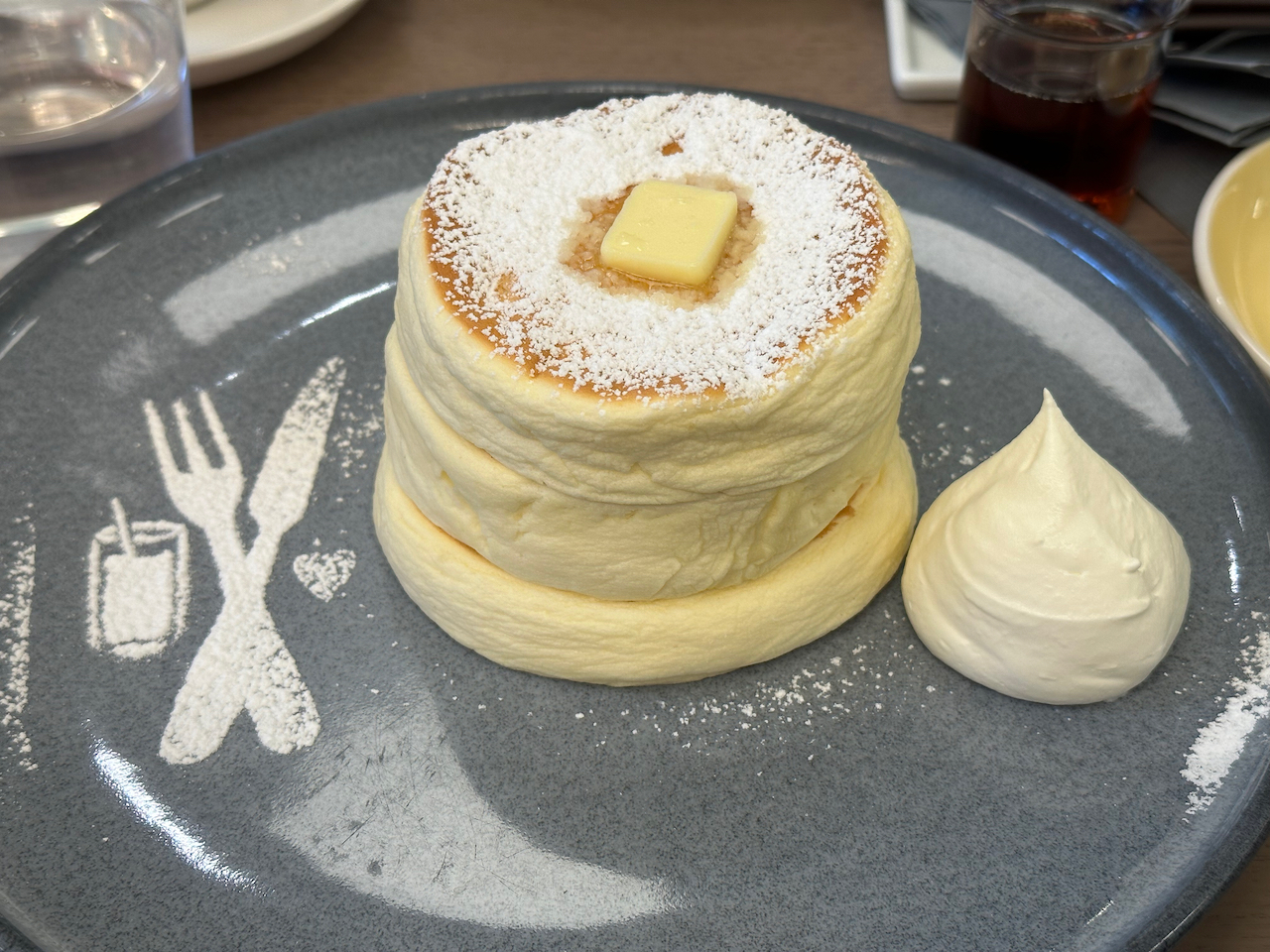
One cloudy morning, I met a writer friend to see the blossoms in a different part of town. We started out with Tokyo's famous "jiggly" souffle pancakes in Tokyo's Harajuku district...

Jiggly pancake!

And then made our way to the park, where we found not only sakura, but a murder in progress:

Murder is, indeed, everywhere...


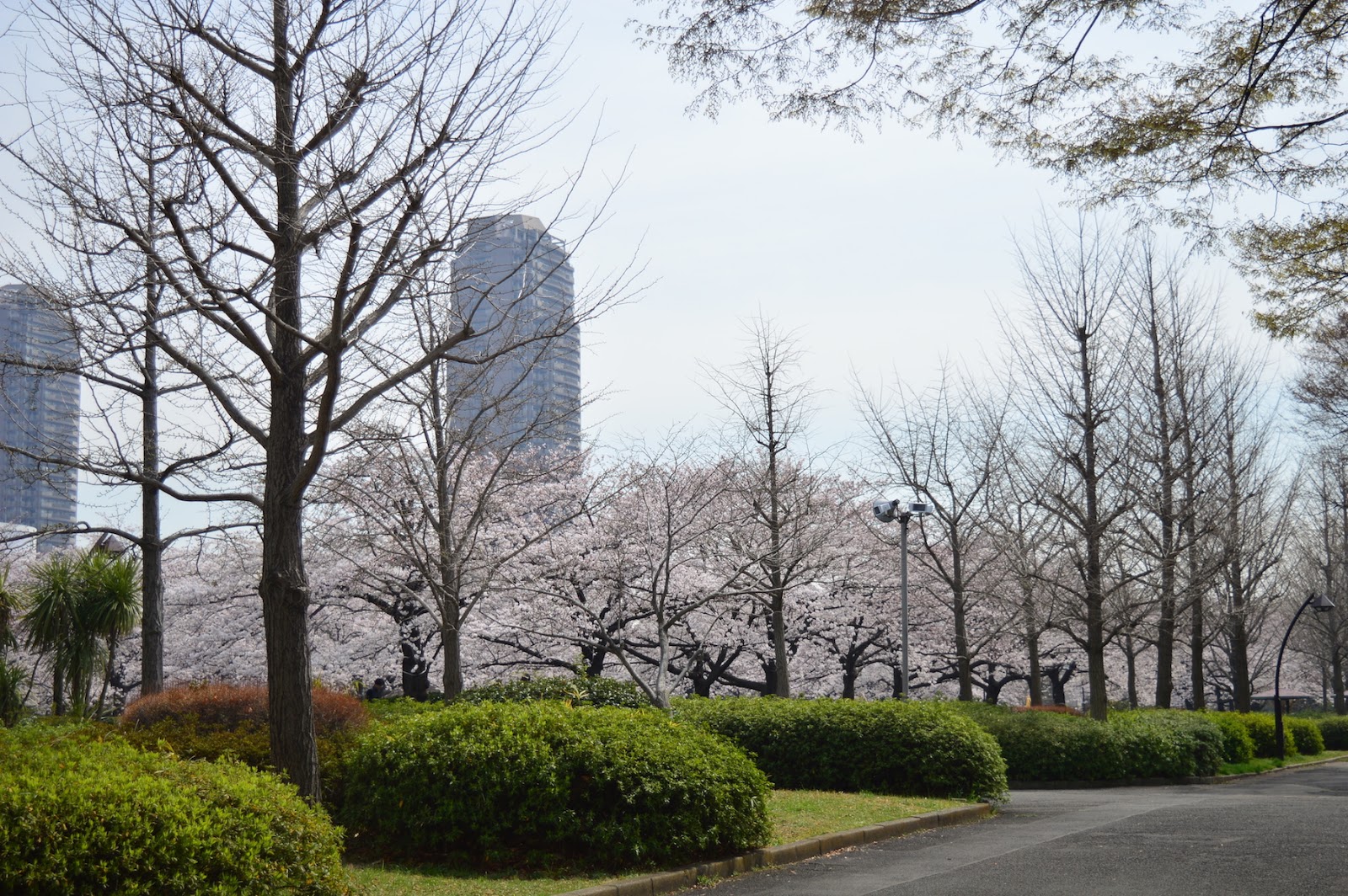
Grey skies aren't ideal for pictures, but the blossoms themselves were beautiful

Spring is here.

Sakura season also means an enormous range of specialty drinks, desserts, and sweets. Which, of course, I feel honor-bound to sample.

Take one...or nine...for the team.

The spring equinox itself was beautiful, with blue skies and many, many blossoms.

Sakura near Tokyo

The parks in and around Tokyo are bursting with beautiful trees, and people are finally able to enjoy traditional hanami (flower/sakura viewing) picnics, as the restrictions of the past three years have been lifted. Huzzah!!

A perfect place for a picnic beneath the cherry blossoms

The blossoms last only a very few days, and this afternoon's rain will shorten their lives even further, but that's also part of the reason the sakura play such a vital role in Japanese culture. Their fleeting beauty reminds us that life itself is beautiful and short, and that we should be in the moment, love the moment, and appreciate both the beauty around us and the bittersweet sorrow that comes with the knowledge that this, too, will pass away. 

We blink, and the moment is gone, never to return.


As the blossoms bloom and fall, I hope you're finding the time to enjoy the beauty around you today, and that you can get out and walk in the sun, or even in the rain.  May your spring be healthy and joyful!

Have you seen cherry blossoms in bloom? If not, would you like to someday?


Sunday, April 10, 2022

A Walk Among the Sakura in Tokyo


--Susan, every other Sunday

For a little over a week, the sakura (cherry blossoms) have been blooming here in Tokyo. Although large hanami (flower viewing) parties are still frowned on--mainly from a desire to avoid congestion in public spaces--fortunately, it isn't necessary to sacrifice elbow room to enjoy the flowers.

In fact, many of Japan's residential streets are lined with ornamental cherry trees, all of which have been putting on quite a show.
Sakura in bloom on the street in Meguro's Himonya ward

While the parks are lovely this time of year, I've never been much for crowds, and I'd already started wandering among the blossoms in my neighborhood even before the pandemic hit. 
One block from home...

After all...why rub elbows with a hundred strangers when you can have an entire street full of cherry trees all to yourself?

Beneath the blossoms

Regardless of the setting, I love to stand beneath the blooming trees and look up through the branches. Sakura don't have much smell (most of the time, it's far too faint to notice when you're looking at the trees) but they're beautiful to look at and they flutter in even the slightest breeze. 

This year, we're allowed to dawdle beneath the trees again--the caution tape many neighborhoods put up last year to prevent hanami parties has been removed, a welcome sign that we're easing back toward normal here in Tokyo.
The usual; "sakura flavored everything" is back in stores as well, including a new sakura Frappuccino at Starbucks--which I barely managed to taste before it was sold out absolutely everywhere. (I'm not surprised--a lot of sakura flavored treats taste more like soap than flowers, but Starbucks has it dialed in, and the Frappuccino was delicious.)

The flowers only last for a couple of days before the petals begin to fall. Even the slightest breeze sends them swirling to the ground by the thousands, in falls that look like delicate pink snow.

Pink petal "snow" on the sidewalks yesterday

Japanese people value sakura in part because they bloom and die so quickly. They represent the impermanence of beauty--and of life itself. Appreciating the blossoms is also learning to appreciate a fleeting, beautiful moment in time that never will come again. The blossoms will bloom again next year, of course, but while that moment may look the same, everything about it--including you, as you look up through the branches, will be different in that moment than it is this year.


Life has offered us many opportunities to stop and reflect in the past two years. It's offered many moments some of us probably absolutely wish will never come again. But every time the sakura bloom, they remind me to stop and look around and appreciate these fleeing moments--to enjoy the good, and learn from (or at least survive) the bad, because good or bad, they will not come again.

Each season, each day, as unique and precious as the delicate blossoms on the trees outside my door.


Wishing you a blessed, happy, and healthy spring.

Sunday, April 25, 2021

Lights, Camera . . . Sakura!

 -- Susan, every other Sunday


It is a well-known fact, universally acknowledged, that Japan goes sakura (flowering cherry blossom) crazy in the spring. 

Sakura in Meguro, March 2021

Our hanami (flower viewing) was mostly hana-missing this year, thanks to The Virus That Shall Not Be Named, though I was fortunate enough to enjoy the blossoms in my neighborhood (which has several large and small streets lined with ornamental cherry trees).

More neighborhood sakura

In addition to picnics under the blossoms, one of the most popular ways to see the sakura (in a normal year) is during the nighttime "illuminations" put on by parks and temples--including a number of locations that ordinarily aren't open after the sun goes down.


Two years ago last week, I was in Kyoto (with fellow author Laura VanArendonk Baugh) preparing for the final hikes of my 100-summits year. While spending a rest day afternoon in the ancient capital, we noticed a poster advertising an evening illumination at Tō-ji, a Buddhist temple founded in 796 that also bears the distinction of having been one of only three Buddhist temples in Kyoto at the time the city became the capital of Japan. 

The temple was declared a UNESCO World Heritage site in 1994 (as part of the "Historic Monuments of Ancient Kyoto" group), and five of the temple buildings are also designated Japanese National Treasures.

According to the poster, this was the final day of the illumination, and since neither Laura nor I had ever seen the sakura by night, we made it a point to go.

Sakura Illumination at Tō-ji


We were not disappointed.


The sakura line the banks of the temple's central lake, and surround the five-storied pavilion at the far end of the grounds.


In 823, the temple was rededicated as a Shingon (esoteric Buddhist) temple, and has remained an active center of Shingon worship since that time. Like many of Japan's famous shrines and temples, it is now both a historical/cultural site of interest and a place of worship.


To-ji's five-story pagoda is the tallest in Japan. The current pagoda is the fifth incarnation (the previous four all burned to the ground, either through human actions or as a result of lightning strikes); it stands 55 meters high and dates to 1644. An interesting architectural fact about the pagoda: it rests on a concrete foundation, with no supporting pillars anchored in the ground. Even so, it has never fallen in an earthquake, because the design allows each wooden layer to shift independently from the others, letting it "shimmy" and remain standing during earthquakes. Pretty cool, considering this is a pre-tenth century design.

Sakura by night

Seen by night, the sakura blossoms almost seem to glow; they also show up beautifully against the darkness of the sky.


They look particularly striking next to the ancient architecture, too.


The Kodo (lecture hall) in the photo above stands at the center of the temple grounds, and contains a 3-D mandala composed of 21 statues, representing various incarnations of the Buddha, Bodhisattvas (enlightened beings), Wisdom Kings, and Guardians. The arrangement of the statues in mandala form is an important element of Shingon teaching and practice; most mandalas are presented in two-dimensional form, as scrolls or paintings. However, several 3-dimensional mandalas exist at important Shingon temples in Japan, including the one at Tō-ji and another in the three-story pagoda on Kōyasan. (Due to the sacred nature of the mandalas and the halls in which they stand, photography is not allowed--so if you want to see them, you can check the official website of Tō-ji or come to Japan and see it for yourself!)


Of course, the moon put in an appearance too.


The famous weeping cherry

The weeping cherry tree at Tō-ji is over 130 years old and stands over 13 meters (36 feet) tall. The ancient tree is surrounded by a group of wooden supports designed to protect the heavy branches. It's a focal point of the temple garden throughout the year, but particularly spectacular in the spring.

The sakura have already come and gone in most of Japan this year--perhaps with less fanfare than normal (and definitely with fewer crowds and no illuminations), but no less beloved for the loss of the picnics and evening strolls.

In some ways, it was reassuring to see the flowers come (and go) this spring--they were an important reminder that although our lives have been disrupted in many ways, the seasons come and go on schedule. Next spring, the sakura will come again--I hope, on a world that's healthy and happy enough to celebrate the beauty of blossoms in the night once more.

Wishing you and yours health and safety as spring becomes summer. 


Sunday, April 1, 2018

A Fond Farewell From MIE

--Susan, every other Sunday

 It's my sad duty, and honor, to write the very last post here at Murder is Everywhere.

We've had a good run, and appreciate everyone who's read and commented on this wonderful blog for so many years - but, like everything else in the world, all good things must come to . . .

APRIL FOOL.

(My apologies to my blog brothers and sisters, with whom I did not share this joke in advance - but at the risk of their wrath, it had to be done. It was that or an Easter-based April Fool that would have gotten me in much hotter water with an even bigger brother . . .)

This is NOT the last post (though it might be mine, if the joke went over badly enough!) - but it is a farewell of sorts . . . to the sakura (cherry blossom) season in Japan, which began about two weeks ago, and has just about ended for another year.

They bloom and die so quickly. Just like us. (Photo credit: Xyrenth)


In light of which, I thought I'd blog about a traditional Japanese custom: hanami, or "flower viewing,"   the practice of enjoying the fleeting beauty of flowers.

The Tokyo Skytree rises above the blossoms (Credit: Xyrenth)

A note: the photos in this post are not mine. They were taken last week by a friend of my son's who goes by the online handle Xyrenth and gave me permission to use them. 

Although hanami is possible with any flowers, the term is most commonly used for the viewing parties that take place at cherry blossom season, to appreciate the brief period when sakura are at their peak.

Sakura in Tokyo (Credit: Xyrenth)

Cherry blossoms last only a couple of days, and fall from the tree at the height of their lovely blooms.

Blossoms in the hand -worth two on the tree? (Credit: Xyrenth)

People flock to parks, rivers, and other places to see the blossoms. Often, they take picnics and set out their blankets under the blooming trees. Sometimes, people take musical instruments and games as well as food, and make a day of it - as my son and his friends did last week.

Hanami parties at a Tokyo park. (credit: Xyrenth)

Japan's cuisine is highly seasonal, and sakura is a common flavoring element in spring desserts. Big producers like Haagen Dazs get in on the action:

Sakura mochi flavor - cherry blossom mochi (pounded rice cake) over vanilla ice cream. (credit: Xyrenth)

As do local and specialty confectioners:

Another sakura mochi ... without ice cream. (credit: Xyrenth)

In fact, there's a Japanese proverb: hana yori dango (čŠ±ć‚ˆć‚Šå›£å­) which translates "dango (a type of pounded mochi dumpling) rather than flowers" which suggests people now prefer the tasty seasonal treats to the flowers. However, I think the two are inseparable - without the flowers, there would be no reason for either the parties or the treats!

Sakura blossoms against the sky. (credit: Xyrenth)

The custom of hanami, and flower viewing parties, dates to the 8th century, when members of the Japanese court and the noble classes often composed poems inspired by and dedicated to lovely blossoms - except that the blossoms appreciated during those earliest hanami parties were ume (plum), not cherry.

During the century that followed, however, sakura replaced ume as the blossoms of choice for hanami, to the point that the term is now almost exclusively used for sakura viewing.

Parks filled with blossoming cherry trees. (credit: Xyrenth)

It took several centuries for the custom to spread to the common classes, but by the end of the Edo period (1603-1868), if not before, the springtime custom of hanami parties - complete with music, food, and plenty of beautiful, blossoming trees - had become firmly a part of Japanese culture.

Hanami can continue into the night - in many parks the trees are illuminated to better show the blooms. (credit: Xyrenth)

The tradition shows no signs of fading. If anything, the parties have become larger, with foreign tourists and Japanese people of every age flooding into the parks and along the riverbanks during the brief sakura season, to enjoy the food and festival atmosphere that surrounds the lovely blooms.

And now you know a little more about hanami.

Have any interest in hanging out under the cherry trees next spring? I know I do!