Michael - Thursday
CITES stands for quite a mouthful - Convention
on International Trade in Endangered Species of Wild Fauna and Flora, and
the 17th plenary meeting of the participants is taking place right
now in Johannesburg. With a few not very important exceptions, every country in
the United Nations is a signatory. The aim is a laudable one: to control trade in
species which are in danger of extinction in the wild, or which may become
endangered if exploitation is not strictly controlled. Most of the 35,000
species on one of the three CITES appendices are plants, but about 10% are
animals and birds. As one would expect, they have the highest profile. And while
most of the 35,000 are facing extinction due to the loss of habitat, global
warming, and overutilization, again the highest profile species are the victims
of baseless beliefs, greed, thoughtlessness, and politics. (Disclaimer: Any similarity
between this and the US presidential election is purely coincidental.)

 |
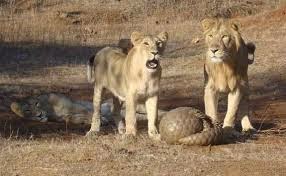
| Umm...now what? |
Of course it’s the big names that make the running—elephants,
tigers, rhinos. But what of the smaller species which are just as valuable and
even more vulnerable? Who has a thought for the pangolins—fascinating creatures
with chitinous protective scales, who roll up into a solid ball when threatened
and make a good living cleaning up ants and termites? Why would anyone
persecute these interesting characters? Unfortunately they, and especially
their scales, have a reputation for medicinal properties in the East. Estimates
suggest that perhaps a million individuals have been illegally killed over the past decade
for meat and the use of scales and body parts. Yesterday CITES 17 agreed to
move all pangolin species (Asian and African) to Appendix 1, the highest level
of protection and banning all international trade. I’d be even more thrilled about
that if some of the other occupants of that Appendix were doing better; all
species of rhino are on that list, for example.

Another example is the African Grey Parrot, down to perhaps
1% of previous numbers in the wild. Your pet store owner will tell you their specimens are
all bred from domestic stock and hopefully that will be true. But many are snared in
the wild, wrapped in muslin bags, and smuggled out of Africa with plenty dying
along the way. They, too, are to move to the highest endangered level.
The Guardian newspaper has released a series of in depth
articles on endangered species and illegal trade to coincide with the CITES
meeting. See this article for example.

Then the politics. China is a signatory and appears to take
its responsibilities seriously. But
there's ample evidence that tigers are bred for body parts in that country
although that is against their own law. China reacted angrily to the
accusation, pointing out that CITES is about international trade and so what it does internally is nobody else’s
business. What’s more, they point out, the breeding program actually enhances
the tiger gene pool so that it helps the species overall.

There are also disagreements about elephants. Botswana,
South Africa, and Zimbabwe have the largest populations (in that order of total
numbers) and they asked for a process to be initiated to lead to an orderly
sale of legally stock-piled ivory, perhaps through a once-off auction as has
been done before. The money could then be used for conservation of other
species, particularly rhino. This was vehemently opposed by Kenya which has
seen their elephant numbers decline significantly due to poaching. Kenya won
the day with more than 70% of the delegates rejecting even a discussion of a
future process. One delegate is said to have remarked bitterly that if Kenya
cleaned up its act—particularly controlling ivory smuggling through Mombasa—then its elephant populations might
be growing the way the southern African ones were.
As for the rhinos, the furor carries on. There are many
good arguments on all sides, but CITES will certainly continue the ban on the rhino
horn trade. Having just lost a pregnant female in our small game reserve in
broad daylight despite our anti-poaching team, technology, and the hard work of our
people, to say nothing of the efforts of the government and CITES, I’m now
convinced there’s no option but to regularly and painlessly remove the horn and
destroy it on the spot. The game reserves that have done that have lost
essentially no animals since they started the policy. If the day comes when the
peoples of China and Vietnam no longer believe that the horn is anything more
than solidified animal hair, they can be allowed to grow back. At least we’ll
have some rhinos left for the horns to grow back on.