--Susan, every other Sunday
2022 is my fourth consecutive New Year in Japan, and it's been interesting to watch the transformation of this traditional holiday--and the surrounding celebrations--over the past four years. Although challenging on a personal level, the historian in me has found it fascinating.
In Japan, the New Year is a time for reflection, prayer, and family. While it's possible to find Western-style countdown parties and celebrations on New Year's Eve, many (if not most) of those who stay up for New Year do so to experience Joya no Kane, the ceremonial ringing of Buddhist temple bells (108 times, to commemorate the 108 causes of human suffering) or to make a midnight hatsumode--the first shrine or temple visit of the year, which is considered important to ensuring good fortune and health in the year to come.
I spent New Year's Eve of 2019 with my family, who had come from the U.S. to spend the holidays in Japan. As midnight approached, we headed for Yasaka Jinja, in Kyoto, to welcome 2020.
 |
| Gathering to welcome 2020. (Yikes) |
Well over a thousand other people had the same idea.
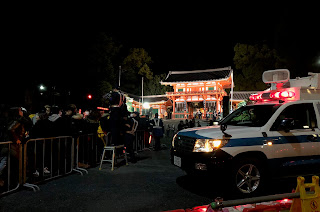 |
| A peaceful crowd. The year it welcomed? Not so much... |
We greeted the New Year with cheering, songs, and laughter - little knowing what that year (and the next) would have in store.
 |
| I haven't been able to hug my family since this trip. |
On January 1, 2020, I took my family to Kasuga Shrine in Nara, one of Japan's oldest and most important Shintō shrines, to experience hatsumode. There, we found (and waited in) a then-customary crowd that had gathered to make the vital first shrine visit of the year.
 |
| Egads. Just going to leave this and back away slowly. |
The shrine let people through the gates in groups, and it took about two hours for us to get inside.
 |
| This was normal then. |
Flash forward to New Year's Eve 2020. I didn't go to a shrine on New Year's Day - for reasons that I'm sure require no explanation. Many of the midnight celebrations were cancelled altogether, and those that were not were severely scaled back. In an ordinary year, shrines and temples would be quite busy throughout the first two weeks of the New Year.
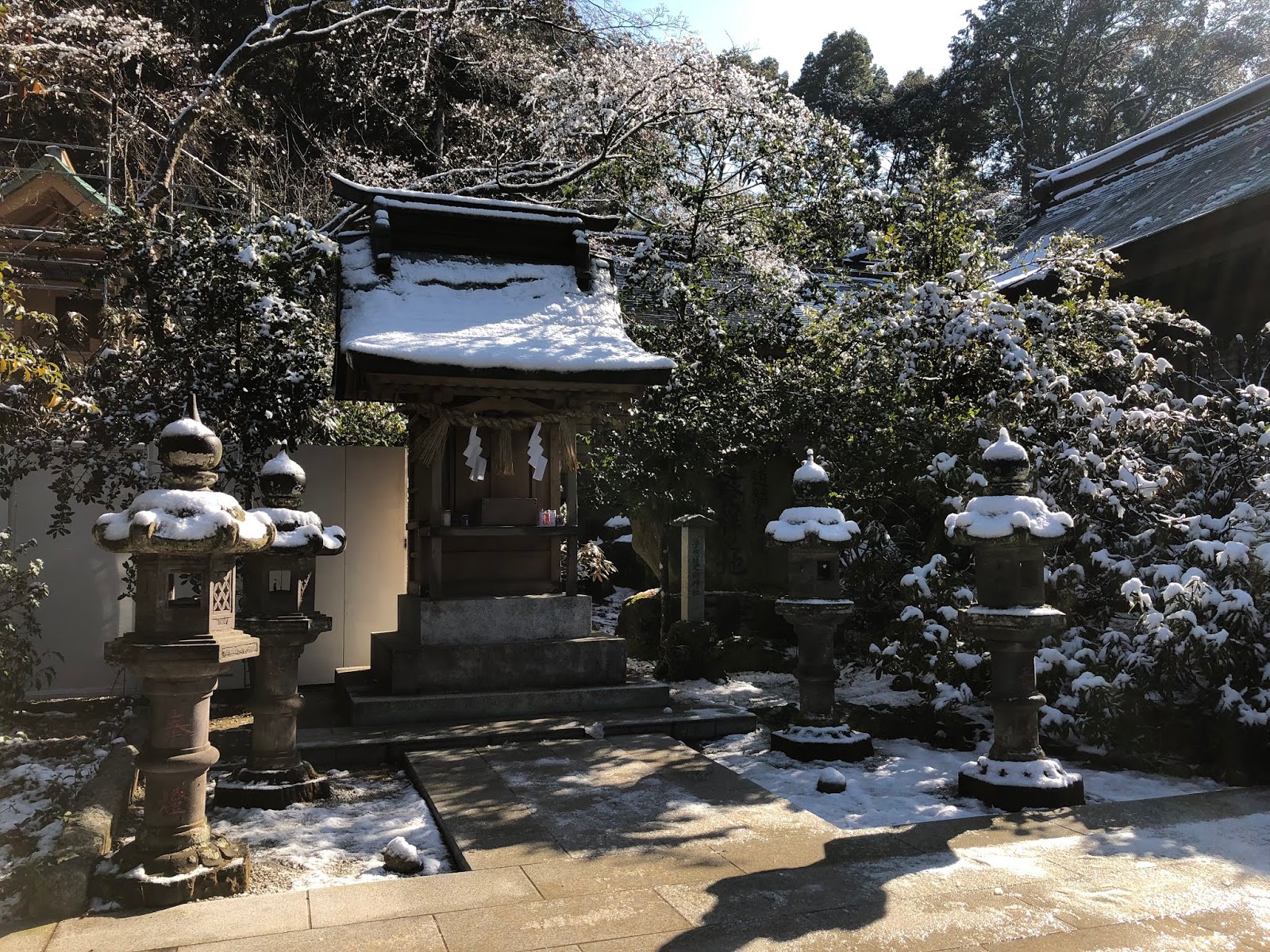
By the time I made my first shrine visit of 2021 (a week after New Year), it looked like this:
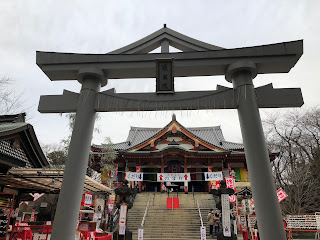 |
| Cue the crickets. |
And this:
 |
| A very different kind of new year |
The infrastructure for socially-distanced visits was in place, and people cooperated. My local shrine even had social distancing "stand here" spots on the ground, one meter apart, all the way from the entrance gate to the worship hall.
 |
| Even the guardians were masked for safety. |
With Covid currently under control in Japan (but the borders still closed), many of the celebrations have returned for 2022. The temple bells rang at midnight on New Year's Eve, with (masked) crowds in attendance (though some places still had limits on the total number of attendees).
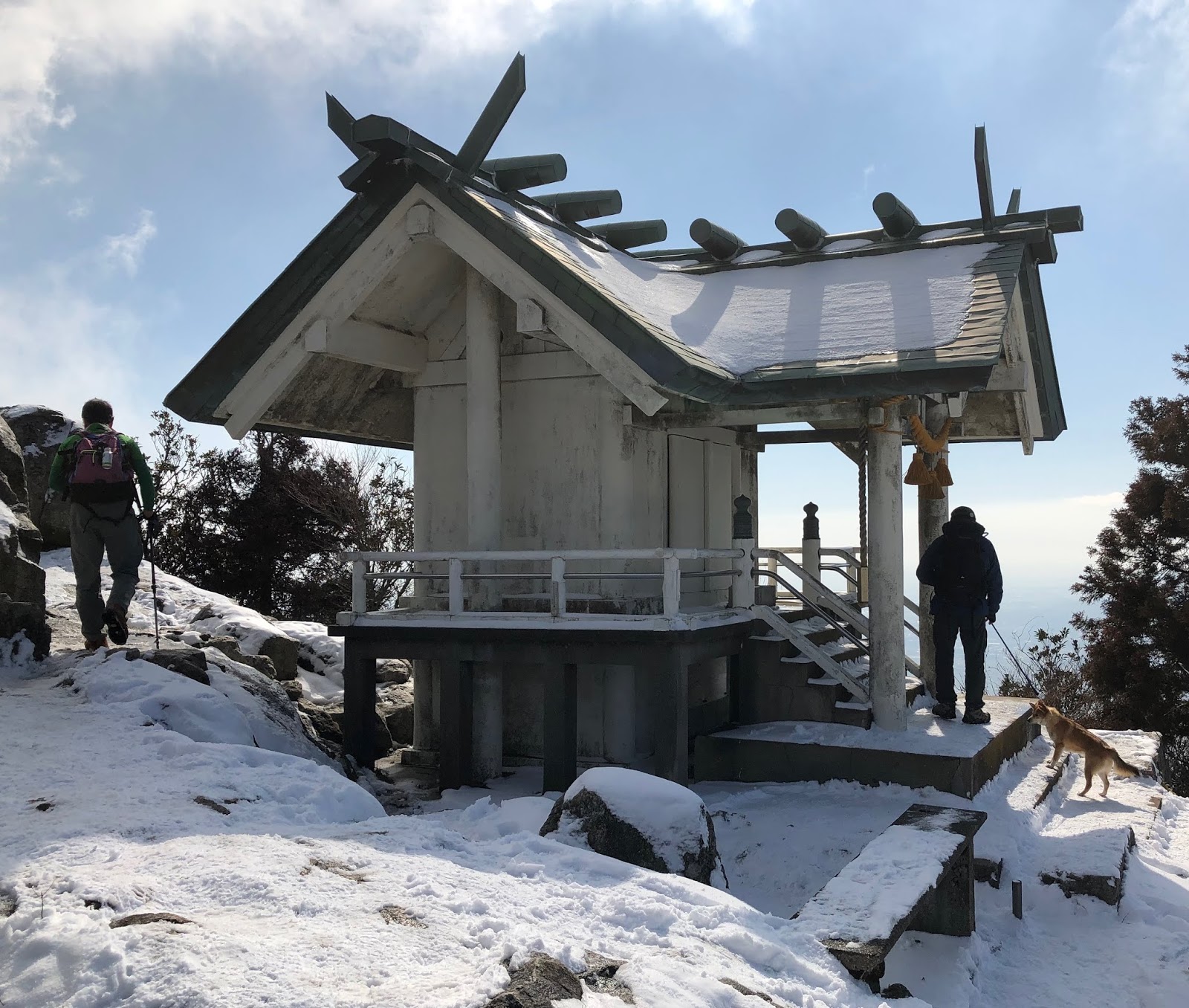
On my traditional New Year's Eve climb this year (which I made last year as well, though in a quieter location) I noticed many more people visiting the shrine at the base of the mountain, and based on the preparations, they appeared to be expecting far more people than they had on New Year's Eve in 2020.
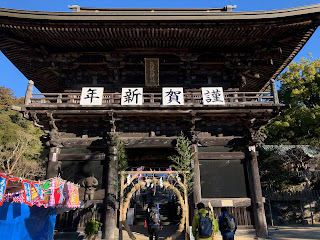 |
| Preparing to welcome 2022 |
 |
| Tsukubasan Shrine, in Ibaraki, December 31, 2021 |
It's hard to say, today, what the long-term impact of the past two years will be on Japan, or the rest of the world at large, but it's nice to see tradition--and people--persevering despite the struggles.
I definitely note more optimism in this year's preparations, and observances, than I did last year. Which makes me cautiously optimistic about the year to come.
One thing I know for sure: 363 days from now, New Year's Eve will roll around again. The bells will ring. The year will change. And people will greet that dawn with a mixture of hope and sorrow, joy and tears, and dreams and expectations--as they have since the first dawn of the first New Year, and as they will until the end of time. Because regardless of the state of the world, a new year represents a new beginning, new opportunities, and all the potential a beginning brings. I only hope this year is kinder to us all, and that next year, we can welcome 2023 with open borders as well as open arms.

Until then, I wish each and every one of you good health, good fortune, and many good opportunities in 2022. May you and your families be blessed in 2022, and in all the years to come.