
(When Too Much Is Just Enough)

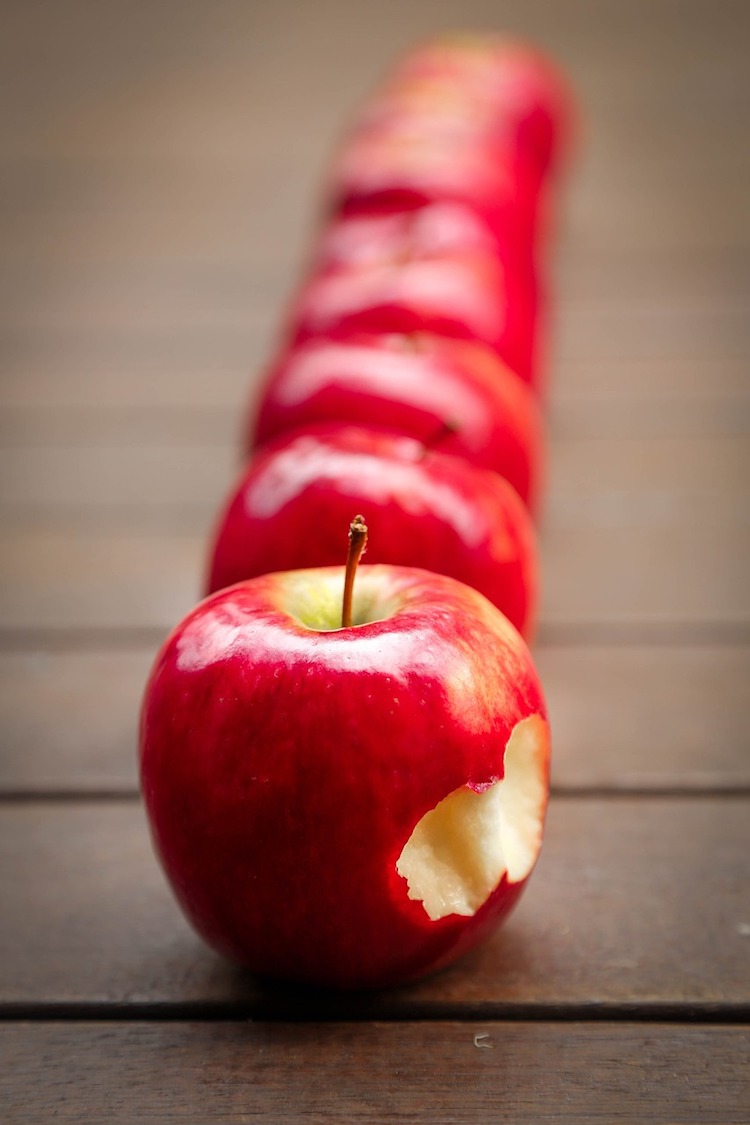
This year has seen a bumper crop of apples on the trees in the garden and the orchard. The Bramley tree in particular has not only produced a large number of cooking apples, but most of them were huge—easily twice the size of a normal eating variety.
The problem has always been what to do with them.
I like apples, and that old adage about ‘an apple a day keeps the doctor away’ may actually have some truth to it.
According to the latest scientific research, apples are chock full of Vitamin C and soluble
The antioxidants contained in apples may play a part in limiting the growth of cancer cells. Including apples, berries, and other flavonoid-rich foods in your diet helps reduce your chances of Alzheimer’s disease.
Apples are also rich in pectin, a type of starch, which helps to feed the ‘good’ bacteria in your gut, keeping your digestion in good shape and boosting your immune system, as well as encouraging your body to absorb calcium.
What’s not to like?
But what to do with 'em?
But cooking apples have always been a bit of a problem for me. Apart from making the occasional crumble, I don’t do much baking with them, and there are only so many bags of stewed apples you can store in a chest freezer.
Fortunately, a few years ago my local pub came up with a brilliant solution.
Around October time, they
The process
This piece of equipment looks like a cross between a wood chipper and an army mortar. You drop the apples into the top and mush oozes out of the bottom. (I know, I make it sound so tempting…)

The pulp is then transferred to the small press for the first

Then the pulp is transferred again to the big press, which manages to extract just about every last drop of moisture.

The proof of the pudding...
The straight juice will keep in the fridge for about a week before it starts to ferment and the bottle bloats. I took four
Any excess apple juice left over goes into the pub’s own cider-making process, so everybody wins.
Of course, not all the apple trees in the garden produce fruit you’d want to eat. The crab apples have also been abundant this year. I have been collecting windfalls to take up to a friend with a local smallholding. She kept four piglets, who thoroughly enjoyed chasing the apples around their paddock and rooting about for them in the mud.

Meanwhile, I’ve just picked the last of the James
As I said before—what’s not to like?
This week’s Word of the Week is malic, meaning pertaining to, or derived from, apples, or obtained from the juice of apples. From the French





